Ottoman Empire in Istanbul and Its Enduring Legacy
The Ottoman Empire shaped Istanbul for centuries, leaving a legacy visible in the city’s mosques, palaces, markets, and neighborhoods. After the conquest of Constantinople in 1453, the city became the empire’s capital and an important center of government, trade, and culture. Today, exploring its Ottoman landmarks offers a vivid way to understand Istanbul’s history.
For visitors interested in Istanbul cultural tours, the Ottoman story is best experienced across several sites. Each landmark reveals a different aspect of imperial life, from public worship and education to court ceremonies and urban planning.
Discover Istanbul as an Ottoman capital
Following the conquest, Ottoman rulers adapted the existing city and added buildings that reflected their vision for a new imperial center. Mosques, schools, public kitchens, baths, and markets became part of a wider network serving residents and travelers.
This history is visible throughout Istanbul’s historic peninsula. Walk through courtyards and busy streets, and notice how places of worship sit alongside commercial and community spaces. The result is a city shaped by both imperial ambition and the needs of everyday life.
Visit mosques and palaces
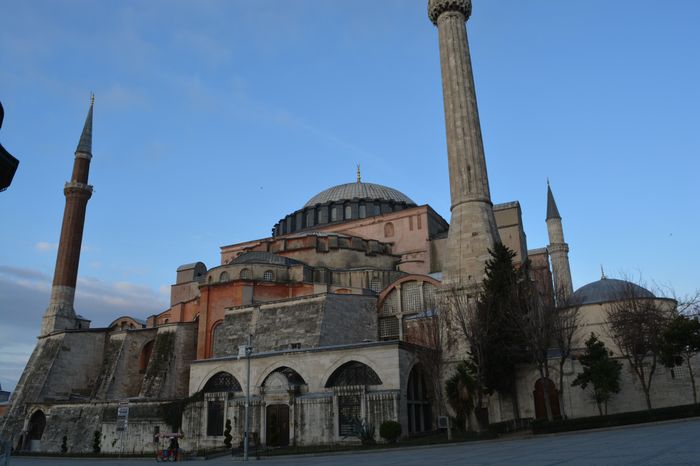
Ottoman architecture is one of the most recognizable features of Istanbul. Large domes, elegant minarets, spacious courtyards, and carefully designed interiors give many mosques a distinctive presence. The city’s palaces provide another perspective, with ceremonial halls, gardens, and collections that illustrate the traditions of the imperial court.
When visiting active mosques, dress respectfully and follow posted guidance. Visitor access may be limited during prayer times, so check current information before you go. A guide can help explain the architectural details and the role each building played in the city.
Learn about Mimar Sinan’s influence
One of the most influential figures in Ottoman architecture was Mimar Sinan, the chief imperial architect during the 16th century. His work helped define the city’s skyline and established a lasting architectural tradition. Sinan designed major mosques and public buildings, balancing impressive scale with practical engineering and carefully controlled light.
Look at how domes, arches, and supporting structures work together. These details reveal the skill behind the buildings and make a guided visit especially worthwhile. To arrange a cultural walk focused on Ottoman landmarks, contact our team.
Connect Istanbul with Turkey’s wider heritage
The Ottoman Empire’s story is part of Turkey’s broader cultural history. In Ephesus, the Agora of Ephesus recalls an earlier era of public life and trade, offering a striking contrast with Istanbul’s imperial monuments. Travelers planning a longer journey can explore Cultural Heritage Turkey for more historic destinations and experiences around the country.
Experience Ottoman Istanbul with context
Istanbul’s Ottoman landmarks are more than impressive buildings. They reveal how the empire organized public life, expressed its authority, and shaped the city’s identity. Exploring mosques, palaces, and historic districts with a knowledgeable guide can bring those connections to life. Add the Ottoman Empire to your Istanbul cultural tour for a deeper understanding of the city’s past and its influence on modern Istanbul.