
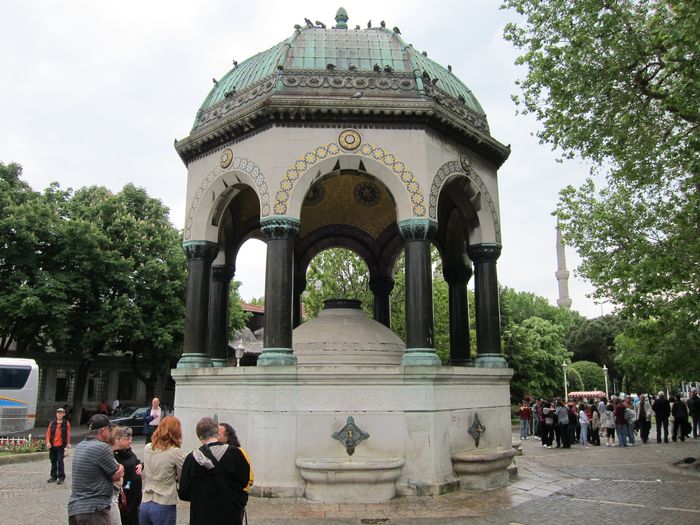
Hippodrome of Constantinople in Istanbul
The Hippodrome of Constantinople was once the social and ceremonial center of the Byzantine capital. Today, its historic footprint forms part of Sultanahmet Square, surrounded by some of Istanbul’s best-known landmarks. Visitors can still see monuments that recall the chariot races, public gatherings, and imperial ceremonies that shaped life here.
For travelers interested in Istanbul cultural tours, the Hippodrome offers a compact introduction to the city’s ancient past. It is an open-air site, easy to include in a walking route, and especially rewarding when you know what the surviving monuments represent.
From Byzantine racecourse to city square
Emperor Septimius Severus began the Hippodrome, and Emperor Constantine the Great later expanded it as Constantinople became the capital of the Roman Empire. The arena hosted chariot races and large public events. It could hold tens of thousands of spectators, making it one of the city’s most important gathering places.
The Hippodrome also had a political role. Crowds gathered here to celebrate, protest, and make their voices heard. Over time, the original racetrack disappeared beneath the modern city, but the area’s long, open shape still hints at the scale of the ancient arena.
See the monuments that survive
Several historic monuments remain along the former track. The Obelisk of Theodosius originally came from ancient Egypt and was brought to Constantinople in the fourth century. Nearby, the Serpent Column once stood at Delphi before being moved to the city. The Walled Obelisk at the southern end is another reminder of the Hippodrome’s layered history.
Take time to examine each monument and notice how they differ in material, condition, and origin. Their placement helps visitors imagine the arena’s central axis and the movement of spectators through the space. A guide can explain how the monuments arrived in Constantinople and what they represented.
Plan a walk through historic Sultanahmet
The Hippodrome is in the heart of Sultanahmet, within easy walking distance of major cultural landmarks. Comfortable shoes are useful, and an early visit can offer a calmer experience before the square becomes busy. Because the site is outdoors, you can explore at your own pace and return to details that catch your attention.
The area’s history extends beyond the monuments in the square. Learn more about Roman Constantinople to understand how the city developed from an imperial capital into modern Istanbul. If you would like help planning a guided walk or cultural itinerary, contact our team.
Connect Istanbul’s history with ancient Turkey
The Hippodrome’s Roman and Byzantine heritage is part of a wider story that spans Turkey. In Ephesus, Marble Street leads visitors through one of the best-known ancient city landscapes. Travelers planning a broader route can explore Ancient Cities Turkey for more historic destinations across the country.
Experience the Hippodrome with context
The Hippodrome may look like a peaceful square today, but its monuments preserve memories of races, ceremonies, and public life at the heart of Constantinople. A thoughtful visit helps bring those stories into focus and makes the surrounding historic district even more meaningful. Add the Hippodrome to your Istanbul cultural tour for a close-up look at the city’s ancient foundations.


