Turkish History in Istanbul is easiest to follow as a sequence of capitals and cultural transitions. The city began as Byzantion, became Constantinople under Emperor Constantine in 330 CE, and later served as the center of Ottoman power after 1453. Each period left public buildings, places of worship and everyday customs that still shape what visitors see. Knowing these turning points gives an Istanbul cultural tour a clear historical thread and deeper context.
Ancient roots and Byzantine influence
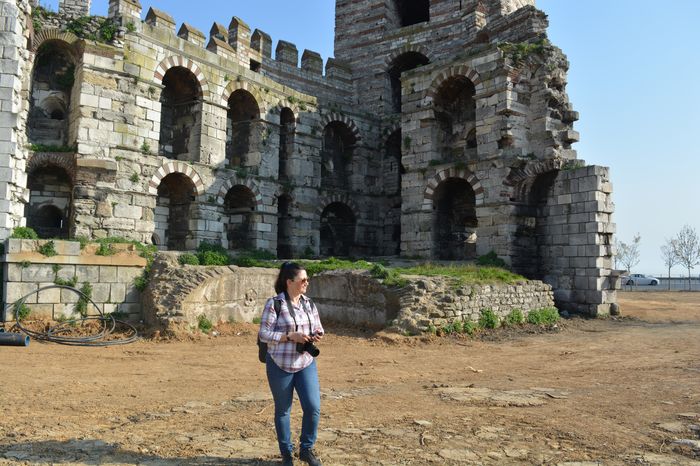
For centuries, Constantinople stood at the heart of the Eastern Roman Empire. Its position between Europe and Asia helped it grow into a political, religious and commercial center. Hagia Sophia, the city walls, surviving cisterns and ancient street patterns offer clues to engineering, worship and daily life. As you explore these places, consider practical questions: how did the city carry water? Where did residents gather? Which buildings served ceremony, government or trade?
The city’s Christian history is part of this wider story. Churches, mosaics and religious traditions reveal how communities shaped urban life across generations. Visitors curious about early Christian sites elsewhere in the country can follow that theme with a Christian Heritage Tour, adding a regional perspective to their Istanbul visit.
Ottoman Istanbul
In 1453, Mehmed II captured Constantinople, which became the capital of the Ottoman Empire. The city expanded with new mosques, schools, markets and public works. Topkapi Palace reflects the organization of imperial life, while the Suleymaniye Mosque complex shows how worship, education and social services could share one setting. The Grand Bazaar offers another view of urban history through commerce, craft and exchange.
For travelers planning a wider itinerary, First Time Turkey can help place Istanbul among the country’s other regions and historic destinations. Thinking about the city as one chapter in a national journey makes its layers easier to compare and remember.
A modern nation and a global city
The founding of the Republic of Turkey in 1923 brought another turning point. Ankara became the national capital, while Istanbul continued to grow as a major center of culture, trade and migration. New neighborhoods and transport routes changed how residents moved through the city, while historic districts remained part of daily life. Turkish History in Istanbul therefore includes imperial landmarks and the experience of a modern metropolis.
Byzantine and Ottoman traces continue to meet in Istanbul’s architecture and public spaces. A closer look at Byzantine History can help visitors understand how earlier structures and traditions became part of the city’s long story. The value of a cultural visit often comes from seeing those connections and asking how each era shaped the next.
Build a visit around historical questions
A focused tour can follow a simple timeline: begin with the ancient city, look for Byzantine remains, then explore Ottoman institutions and the modern streets around them. Choose a few places that interest you and leave time to notice details such as building materials, courtyards, inscriptions and the way a site fits its neighborhood. This approach keeps the history clear while allowing room for personal discovery.
Istanbul’s past is too broad for a single day, but a well-planned route can make its main transitions understandable. To discuss a visit shaped around your interests, use the separate Contact Us page to ask about a customized cultural tour.