Topkapi Palace in Istanbul and the Story of the Ottoman Court
Topkapi Palace is one of Istanbul’s most important cultural landmarks. For centuries, it served as the residence of Ottoman sultans and the center of imperial government. Today, its courtyards, pavilions, gardens, and collections offer visitors a vivid introduction to Ottoman history and palace life.
Located in Istanbul’s historic peninsula, Topkapi Palace rewards visitors who take time to explore. The complex is extensive, so a little planning can make it easier to enjoy its architecture and understand how the different spaces were used. Before your visit, check current opening details and entry arrangements.
Walk through the palace courtyards
The palace is arranged around a series of courtyards that lead from public areas toward more private parts of the imperial household. Each section had its own purpose, from official business and ceremonies to daily court life. As you pass through the gates, look at how the design guides visitors deeper into the complex.
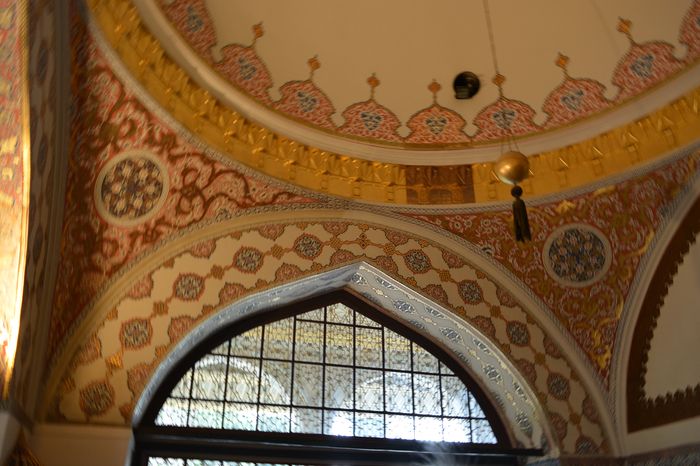
The courtyards also offer a chance to slow down between indoor galleries. Notice the gardens, fountains, tiled details, and views across the surrounding area. These features helped shape an environment that was both a seat of government and a home for the sultan’s household.
Explore the palace collections
Topkapi Palace preserves collections connected with the Ottoman court, including decorative arts, manuscripts, arms, and objects associated with imperial life. The Imperial Treasury is among the most popular sections, drawing visitors with its historic treasures and displays of royal wealth.
Rather than trying to see every room at once, choose a few areas that interest you and give them time. Look for details in the craftsmanship, materials, and decoration. A guided visit can help explain the historical context behind the objects and show how they relate to the palace’s role in the empire.
Understand the Harem and palace life
The Harem was a structured part of the imperial household, with its own rooms, courtyards, and responsibilities. Its history is often simplified in popular accounts, but the architecture and surviving spaces reveal a more complex environment shaped by family life and court traditions.
If you plan to visit the Harem, check whether it requires separate entry and allow additional time. The rooms, corridors, and decorative details help visitors picture how private and official life intersected within the palace. For questions about arranging a visit, you can contact our team while planning your Istanbul itinerary.
Make Topkapi Palace part of a wider city tour
The palace’s location makes it convenient to combine with other historic sites in Istanbul. You could continue your day at Galata Tower, where the city’s skyline and neighborhoods offer a different perspective on Istanbul’s long history.
For travelers exploring more of Turkey, the Ancient City of Ephesus offers a remarkable look at life in the ancient world, while a Lycian Way Tour pairs coastal scenery with historic routes. These experiences can complement a cultural stay in Istanbul with a broader sense of the country’s heritage.
Topkapi Palace is large, and walking between its courtyards and galleries takes time. Wear comfortable shoes, bring water, and plan a relaxed pace. An expert guide can connect the palace’s architecture, collections, and court customs, making it easier to understand how the complex shaped Ottoman rule.
Discover Istanbul’s imperial heritage
A visit to Topkapi Palace brings together architecture, art, and stories of the Ottoman court in one remarkable setting. Whether you focus on the gardens, collections, or historic rooms, the palace offers a rewarding cultural experience and a deeper view of Istanbul’s past.