Basilica Cistern in Istanbul and Its Underground History
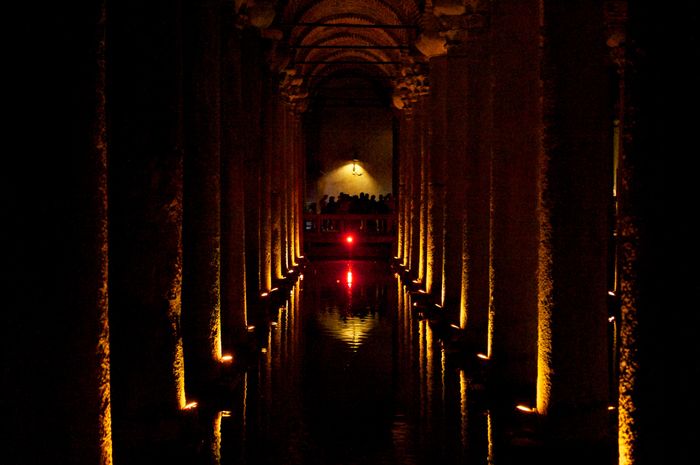
Beneath the busy streets of Istanbul lies the Basilica Cistern, a vast underground chamber built to store water for the city. Its forest of stone columns, brick vaults, and softly lit walkways creates a striking contrast with the bustle above. For visitors exploring Istanbul cultural tours, the cistern offers a memorable look at the engineering and urban life of Byzantine Constantinople.
The experience is atmospheric, but the Basilica Cistern is also a practical historical site. Its structure reflects how earlier residents planned for the needs of a growing city and managed water supplies. Taking time to notice the construction details can make a visit feel like more than a walk through a dramatic underground space.
How the Basilica Cistern served Constantinople
The cistern was built during the Byzantine era, traditionally dated to the sixth century under Emperor Justinian I. It helped provide water to important nearby buildings and communities. In a city where reliable water was essential, underground reservoirs formed an important part of the infrastructure.
The Basilica Cistern is supported by hundreds of columns arranged in rows beneath a vaulted ceiling. Many columns were reused from older structures, a common practice in the ancient world. Look closely at their capitals and bases, where variations in style reveal how materials from different places and periods could be brought together in one building.
What to look for inside
The first impression is often the scale: the ceiling seems to disappear into the dim light, while reflections ripple across the water. Walk slowly and look along the rows of columns to appreciate the careful symmetry. The subdued lighting and quiet atmosphere create a sense of distance from the busy city above.
Two column bases carved with Medusa heads are among the cistern’s best-known details. Their placement has prompted many questions about their original purpose and how they came to be used here. Rather than rushing past, take a moment to examine the carving and the way it fits into the wider structure.
Plan your visit to the underground cistern
The Basilica Cistern is centrally located in Istanbul’s historic district, making it easy to combine with nearby landmarks. Wear comfortable shoes and take care on damp or uneven surfaces. Visitors may encounter lines during busy periods, so checking current opening information and ticket arrangements before setting out can help with planning.
Allow enough time to enjoy the space without hurrying. The cistern’s atmosphere is part of the experience, and a slower visit makes it easier to notice the engineering details, column designs, and changing reflections. Photography is popular, but be considerate of other visitors as you move through the walkways.
Connect the cistern with Istanbul’s wider history
A visit to the Basilica Cistern fits naturally into a day exploring the old city. Nearby, Topkapi Palace offers another view of Istanbul’s past through its courtyards, imperial rooms, and collections. Together, these sites show how the city developed across different eras and how its infrastructure and institutions shaped daily life.
Travelers continuing their journey elsewhere in Turkey can explore ancient ruins with an Ephesus from Cesme experience or enjoy a coastal escape with a Blue Lagoon Tour. These experiences offer a change of pace while adding more history and scenery to an itinerary.
Discover the Basilica Cistern with expert insight
The Basilica Cistern brings together ancient engineering, reused architectural details, and a distinctive underground atmosphere. With a guide, visitors can learn how the reservoir supported Istanbul and understand the stories behind its most recognizable features.
For assistance planning an Istanbul cultural tour or organizing your visit, Contact Us.