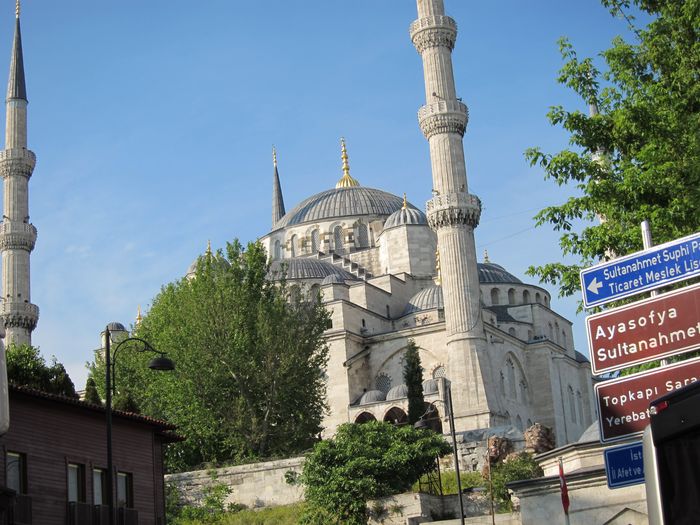
Blue Mosque in Istanbul and Its Enduring Beauty
The Blue Mosque is one of Istanbul’s most celebrated landmarks, known for its graceful domes, tall minarets, and richly decorated interior. Officially called the Sultan Ahmed Mosque, it stands in the city’s historic Sultanahmet district, where centuries of Ottoman and Byzantine history come together. For visitors interested in Istanbul cultural tours, the mosque offers a memorable way to explore the city’s architecture, traditions, and living heritage.
Whether you are visiting for the first time or returning to Istanbul, a little context can make the experience more rewarding. Take time to appreciate the building’s exterior, understand how it is used today, and notice the craftsmanship in its interior details.
The story of the Sultan Ahmed Mosque
Built during the early 17th century under Sultan Ahmed I, the mosque was designed to make a powerful architectural statement while serving the local community. Its name in English comes from the blue tones found in the interior tiles. The building’s position near Hagia Sophia also reflects Istanbul’s long history as a center of political and religious life.
The Blue Mosque remains an active place of worship. That makes it both a historic monument and a part of everyday life in the city. Visitors should approach it with respect and be prepared for access arrangements that may differ around prayer times.
Notice the domes, minarets, and tilework
From outside, the mosque’s cascading domes draw the eye toward the central dome, while its six minarets form a distinctive part of the Istanbul skyline. Step back in the surrounding square to take in the full composition before entering.
Inside, look for the painted details, calligraphy, stained glass, and ceramic tiles that give the mosque its famous character. The blue, turquoise, and floral patterns are especially striking, but the overall effect comes from how the decoration, light, and architecture work together. Pause to look upward and around the space rather than focusing on one feature alone.
Plan a respectful and comfortable visit
Because the Blue Mosque is an active religious site, modest clothing is recommended. Visitors may need to remove their shoes before entering, and head coverings are expected for women. Follow posted guidance and any instructions from staff, and keep noise low inside.
Check current visitor information before you go, as access can be affected by prayer times, restoration work, or local arrangements. Visiting earlier in the day can make it easier to enjoy the surrounding area at a relaxed pace. Allow time for the Sultanahmet square and nearby streets, where several major landmarks are within walking distance.
Add nearby landmarks to your Istanbul itinerary
The Blue Mosque is easy to combine with other historic attractions in the old city. You can continue your cultural visit at Topkapi Palace, where Ottoman court life, gardens, and collections offer a different perspective on the empire’s history.
If your travels take you beyond Istanbul, explore the ancient ruins with an Ephesus from Bodrum trip or enjoy a tailored coastal experience through a Bodrum Luxury Tour. These destinations add variety to a trip while revealing more of Turkey’s cultural heritage.
Experience the Blue Mosque with local insight
The Blue Mosque is rewarding to visit at any pace. Its scale, decoration, and role in contemporary Istanbul invite visitors to look closely and learn how the building fits into the city’s story. A guided experience can add useful context to the architecture and help you connect the mosque with the historic district around it.
For help planning a visit or arranging an Istanbul cultural tour, Contact Us.