Hagia Sophia in Istanbul and Its Remarkable History
Hagia Sophia is one of Istanbul’s most recognizable landmarks and a must-see stop for anyone interested in the city’s history. Its vast dome, intricate details, and centuries of change bring together stories from the Byzantine and Ottoman periods. Visiting in person offers a chance to appreciate not only its architecture, but also the many communities and traditions that have shaped the city.
For travelers exploring Istanbul cultural tours, Hagia Sophia provides a meaningful introduction to the city’s past. A thoughtful visit helps put its art and architecture into context, making it easier to notice how different historical eras left their mark on the building.
A monument shaped by changing empires
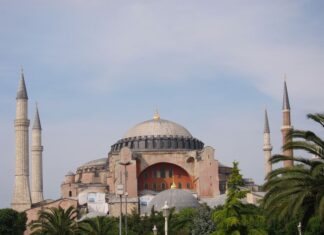
First built as a Byzantine church in the sixth century, Hagia Sophia became an important center of religious and public life. After the Ottoman conquest of Constantinople in 1453, it was converted into a mosque. Its history continued through further changes in use and status, reflecting Istanbul’s place at the meeting point of empires and cultures.
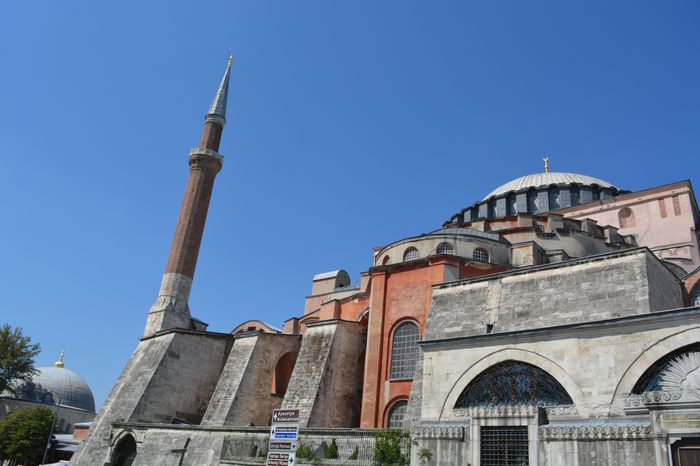
These layers are visible throughout the building. Christian imagery and architectural features exist alongside Islamic elements, creating a distinctive record of its long history. Rather than viewing each detail in isolation, consider how the building changed as the city around it changed.
Look up at the great dome
The dome is often the first feature visitors notice. Its scale and position create a powerful sense of height, while the light entering the interior changes the atmosphere throughout the day. Look beyond the center of the space, too. Arches, galleries, columns, and decorative surfaces all contribute to the building’s remarkable design.
Allow a little time to take in the interior from different viewpoints. Details that are easy to miss at first become clearer when you pause and look carefully. A knowledgeable guide can explain how the architecture developed and point out features that connect the building’s different periods.
Notice the art and historic details
Hagia Sophia’s mosaics are among its most celebrated features. Some depict religious figures and rulers, while other surfaces reveal decorative patterns and later additions. Their presence reflects the building’s changing role and the ways its interior was adapted over many centuries.
The building is also part of Istanbul’s living heritage. Visitors should follow current site guidance and be considerate of people who are there to worship. Dress respectfully, check visitor arrangements before your trip, and leave enough time to explore without rushing.
Make it part of a cultural day in Istanbul
Hagia Sophia stands in the historic Sultanahmet area, close to other major landmarks. Its location makes it easy to include in a walking itinerary, but it is worth planning your route and allowing time for queues or entry procedures. For another important monument nearby, you can also visit the Blue Mosque and compare its design and atmosphere with Hagia Sophia.
If your journey continues beyond Istanbul, Turkey offers many other destinations rich in history. Explore the ancient city with an Ephesus from Izmir experience, or discover the coast and local heritage with a Bodrum Private Guide. Each destination offers a different perspective on the country’s past and present.
Experience Hagia Sophia with greater context
Hagia Sophia is more than an architectural landmark. It is a place where the histories of Byzantium, the Ottoman Empire, and modern Istanbul can be explored in a single visit. Taking time to understand its details can make the experience more rewarding and help you see the city’s cultural connections more clearly.
For help planning a guided visit or building an Istanbul itinerary, Contact Us.