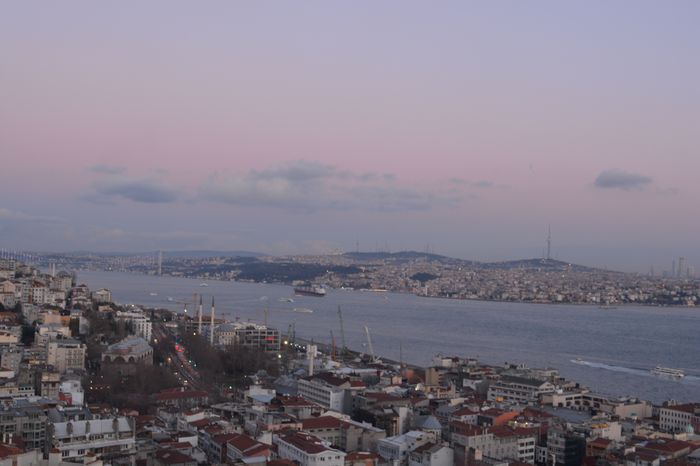
Byzantine Empire in Istanbul and Its Lasting Legacy
The Byzantine Empire shaped Istanbul for more than a thousand years, leaving a legacy that can still be seen in the city’s architecture, streets, and historic sites. Known as Constantinople during much of this period, Istanbul served as an imperial capital and a major center of trade, religion, and culture. Exploring its Byzantine heritage brings the city’s long history into focus.
For visitors interested in Istanbul cultural tours, Byzantine landmarks offer a fascinating way to understand how the city developed. Churches, defensive walls, underground cisterns, and surviving mosaics reveal the engineering, artistic traditions, and beliefs that defined the empire.
Constantinople as the Byzantine capital
Emperor Constantine the Great established Constantinople as a new imperial capital in 330 CE. Its strategic position between Europe and Asia helped the city become a hub for trade and government. It also connected important routes across the Mediterranean and Black Sea regions.
The city grew through successive centuries, with emperors commissioning new churches, palaces, public spaces, and fortifications. Many buildings have changed or disappeared, but the layout of historic neighborhoods and surviving monuments still reflect Constantinople’s role as a powerful capital.
Discover Byzantine architecture and art
The Byzantine Empire is especially known for its religious architecture and decorative arts. Large domes, complex arches, marble surfaces, and mosaics created interiors designed to inspire awe. Hagia Sophia is among the city’s most renowned examples, while other historic churches preserve remarkable details from different stages of Byzantine history.
Look closely at mosaics, carved capitals, and the way light enters historic buildings. These features reveal the skill of Byzantine artists and builders, as well as the importance of religious imagery in public life. A knowledgeable guide can help explain what you are seeing and how the sites changed over time.
Walk the ancient walls and explore cisterns
The Theodosian Walls once protected Constantinople from attack and remain among the most impressive traces of the Byzantine city. Their towers and defensive layers show the scale of the capital and the engineering used to safeguard it.
Below street level, cisterns tell a different story. These reservoirs stored water for the city and its important buildings. Their rows of columns and vaulted ceilings combine practical design with striking visual beauty. When planning your visit, check current access information, as conditions and opening arrangements can vary.
To build a cultural itinerary around these landmarks, contact our team. We can help you plan a route that connects Byzantine sites with other historic districts.
Connect Byzantine history with Turkey’s wider past
The Byzantine story is part of a broader history that shaped many parts of Turkey. In Ephesus, Curetes Street passes temples, monuments, and ancient homes in one of the region’s most celebrated archaeological sites. Travelers seeking more destinations can explore Historical Turkey for ideas across the country.
Istanbul’s later history also builds on this layered past. The Ottoman Empire transformed Constantinople after 1453, adding new architecture and traditions while continuing to use the city’s strategic location and urban foundations.
Experience the Byzantine Empire’s legacy
The Byzantine Empire remains an essential part of Istanbul’s identity. Its architecture, art, and infrastructure offer a direct connection to the city’s time as Constantinople. Exploring these landmarks with historical context helps visitors understand not just the empire’s past, but how its legacy continues to shape Istanbul today.