Beyond the Postcards and Famous Monuments
There is another Istanbul waiting beyond the familiar photographs of Hagia Sophia, the Blue Mosque and the Grand Bazaar. It is a city of small courtyards, quiet waterfront streets, forgotten Byzantine structures and neighbourhoods where centuries of history remain part of everyday life.
Hidden Istanbul is not necessarily difficult to find. Sometimes it is just one street away from a crowded tourist attraction. The real difference is knowing where to look and understanding the stories behind what you see.
For travellers who want to experience the city more deeply, exploring these lesser-known places offers a fascinating alternative to a conventional sightseeing programme.
Discover the Historic Streets of Zeyrek
Zeyrek is one of the most interesting neighbourhoods for understanding the transformation of Constantinople into Ottoman Istanbul. Its traditional wooden houses, narrow streets and historic buildings preserve an atmosphere that feels different from the busy commercial districts.
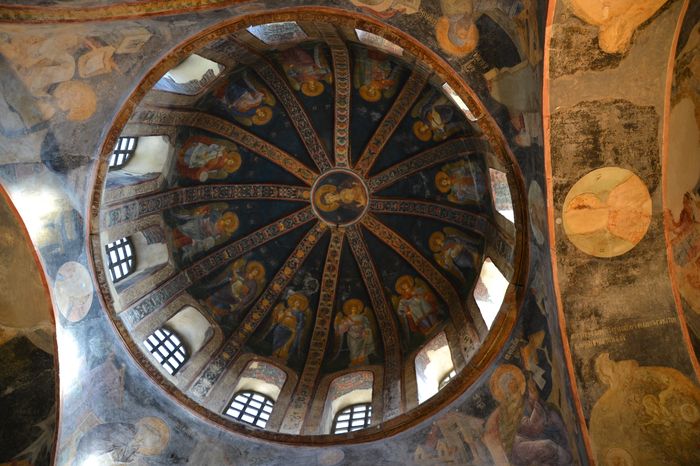
The most important landmark is the Zeyrek Mosque, originally the Monastery of Christ Pantokrator, an important Byzantine religious complex. After the Ottoman conquest of Constantinople, the building was converted into a mosque.
Walking through the surrounding streets reveals how Byzantine and Ottoman architectural traditions coexist within the same neighbourhood. Old houses, small workshops and traditional cafes make Zeyrek particularly rewarding for visitors interested in local history.
Explore the Waterfront Heritage of Uskudar
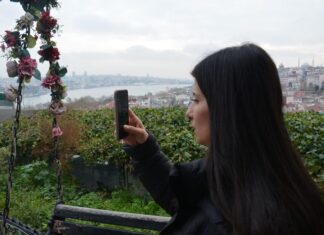
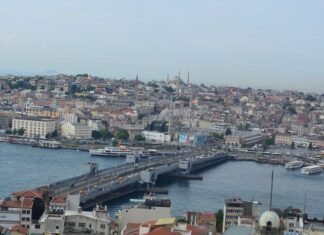
On the Asian side of Istanbul, Uskudar offers a different perspective on the city. Its waterfront combines historic mosques, traditional markets, old neighbourhood streets and beautiful views across the Bosphorus.
The Mihrimah Sultan Mosque, designed by the famous Ottoman architect Mimar Sinan, is one of the district’s most important monuments. Nearby, visitors can discover traditional tea gardens and watch ferries travelling between the European and Asian shores.
Uskudar is also an excellent place to experience everyday Istanbul life. Instead of rushing between attractions, spend time walking along the waterfront, enjoying Turkish tea and observing the rhythm of the neighbourhood.
Discover the Forgotten Byzantine World
Istanbul was the capital of the Byzantine Empire for more than a thousand years. Although some of its greatest monuments are internationally famous, many historical remains are less familiar to visitors.
The remains of the Palace of the Porphyrogenitus, commonly known as Tekfur Palace, offer an opportunity to explore late Byzantine architecture. The building once formed part of the imperial palace complex near the old city walls.
Another fascinating monument is the Valens Aqueduct. Built during the Roman period and used by later Byzantine and Ottoman rulers, this impressive structure was part of Istanbul’s historic water supply system.
These monuments help explain how the city developed through different political and cultural periods.
Balat and Fener Tell the Stories of Different Communities
The Golden Horn neighbourhoods of Balat and Fener preserve an important part of Istanbul’s multicultural history.
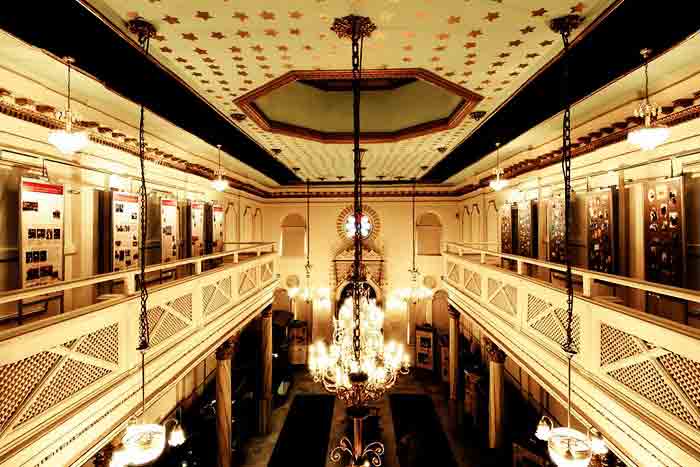
Fener is closely associated with the Greek Orthodox community and the Ecumenical Patriarchate. Balat reflects the historical presence of Jewish, Greek and Armenian communities through its streets, houses and religious landmarks.
The Bulgarian St Stephen Church is particularly remarkable because of its distinctive iron construction. Nearby streets contain traditional houses, small shops and historic buildings that invite visitors to explore without following a fixed route.
These districts demonstrate that Hidden Istanbul is not only about forgotten monuments. It is also about the people and communities that shaped the city’s identity.
Follow the Wider Historical Connections of Istanbul
Istanbul’s history cannot be separated from the wider Mediterranean and Balkan world. Its commercial, religious and political connections extended across many regions.
Travellers interested in biblical history can explore the Revelation Seven Churches, a route through the ancient Christian communities of western Anatolia. These destinations offer another perspective on the religious history that influenced the wider region.
The Ottoman period also left an extraordinary architectural and cultural legacy throughout Istanbul. You can discover more about this period in our guide to Ottoman History.
The Best Time to Discover Hidden Istanbul
Spring and autumn are particularly pleasant seasons for walking through Istanbul’s historic neighbourhoods. Temperatures are generally more comfortable, making it easier to explore streets, waterfronts and archaeological sites.
A journey during Turkey in Autumn can also combine Istanbul with other cultural destinations across the country.
For a more rewarding experience, allow enough time to explore each neighbourhood rather than trying to visit too many places in one day.
Experience the Istanbul That Many Visitors Miss
Hidden Istanbul reveals a city that cannot be understood through its famous landmarks alone. Its quiet streets, historic religious buildings, traditional houses and waterfront communities tell stories that have survived for centuries.
Whether you are interested in Byzantine architecture, Ottoman heritage or authentic local life, these lesser-known destinations offer a more personal connection with Istanbul.
If you would like to explore these places with a knowledgeable local guide, please Contact Us to arrange a personalised Istanbul experience.