Mehmed II and the Transformation of Constantinople
Mehmed II, also known as Mehmed the Conqueror, was the Ottoman sultan who captured Constantinople in 1453. The conquest ended the Byzantine Empire and began a new chapter in the city’s history. Renamed Istanbul in common usage over time, the city became the Ottoman capital and a center of government, trade, and culture.
For visitors interested in Istanbul’s past, learning about Mehmed II helps explain how the city changed after the conquest. His reign brought political transformation, new building projects, and efforts to restore a city that had experienced years of decline and conflict.
Who was Mehmed II
Mehmed II was born in 1432 and became sultan as a teenager. After a brief period away from the throne, he returned to power and focused on capturing Constantinople, a strategically important city connecting Europe and Asia. In 1453, Ottoman forces besieged the city, and its fall marked a major turning point in regional history.
Mehmed was also known for his interest in scholarship, languages, and the arts. His court included people from different backgrounds, reflecting the diverse population of the expanding empire. This combination of military ambition and cultural curiosity shaped his reputation as one of the most consequential Ottoman rulers.
How the conquest changed the city
After the conquest, Mehmed II worked to make Constantinople a functioning imperial capital. The city’s existing structures and urban layout continued to shape its development, while new Ottoman buildings and institutions changed its appearance. He encouraged people from different parts of the empire to settle in the city, helping restore neighborhoods and commercial life.
The city’s identity evolved over generations. Byzantine churches, walls, and public spaces remained part of the urban landscape, while mosques, markets, schools, and other institutions reflected Ottoman rule. To explore more of this layered history, discover Constantinople and its transformation across centuries.
Explore landmarks from different eras
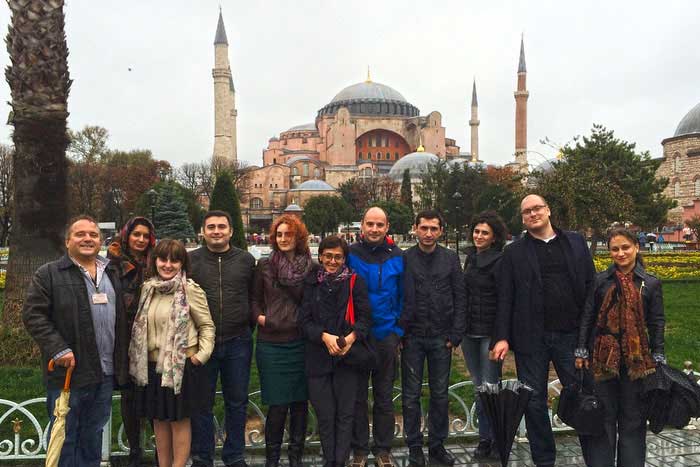
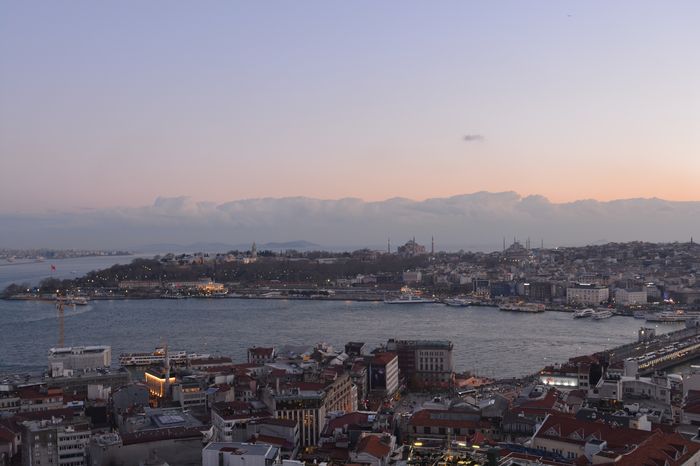
Walking through Istanbul today reveals the city’s many historical layers. The old city walls recall Constantinople’s earlier role as a fortified capital, while Ottoman monuments and historic neighborhoods show how the city grew after 1453. A guided cultural tour can help connect these sites and explain what changed under Mehmed II and his successors.
When planning a visit, allow time to explore beyond the main landmarks. Historic streets, courtyards, and markets help bring the city’s past into view. For help arranging a route or choosing a cultural experience, contact our team.
Connect Istanbul with Turkey’s wider history
Mehmed II’s story belongs to a much wider history that stretches across the region. The Domitian Temple in Ephesus offers a glimpse of Roman-era public life, many centuries before the Ottoman conquest. Travelers who want to explore the country’s Byzantine legacy can also discover Byzantine Turkey, with historic sites and cultural experiences beyond Istanbul.
Understand Mehmed II’s legacy in Istanbul
Mehmed II’s conquest of Constantinople reshaped the city’s political and cultural direction. His efforts to establish a lasting capital helped lay the foundations for Istanbul’s role in the Ottoman Empire. Exploring the city with this history in mind offers a richer perspective on its monuments, neighborhoods, and enduring blend of cultures.