Mimar Sinan and the Architecture of Istanbul
Mimar Sinan was the chief architect of the Ottoman Empire during the 16th century and one of the most influential builders in Istanbul’s history. His mosques, bridges, schools, and public buildings helped shape the city’s skyline and transformed how large structures were designed. For visitors exploring Istanbul, understanding Sinan’s work adds context to many of the landmarks they see.
Sinan served under three Ottoman sultans and oversaw an extensive building program across the empire. His approach combined engineering, function, and visual harmony, creating buildings that feel monumental while remaining carefully balanced.
Who was Mimar Sinan
Born in the late 15th century, Sinan began his career in the Ottoman military before becoming an imperial architect. His experience with construction and engineering helped prepare him for designing buildings on a grand scale. He became chief imperial architect under Sultan Suleiman the Magnificent and held the position for decades.
Sinan’s influence reached far beyond Istanbul. He worked throughout the empire, designing religious and civic structures that supported communities as well as expressed imperial authority. His legacy is visible in the scale, layout, and decorative style of Ottoman architecture.
Recognize Sinan’s design approach
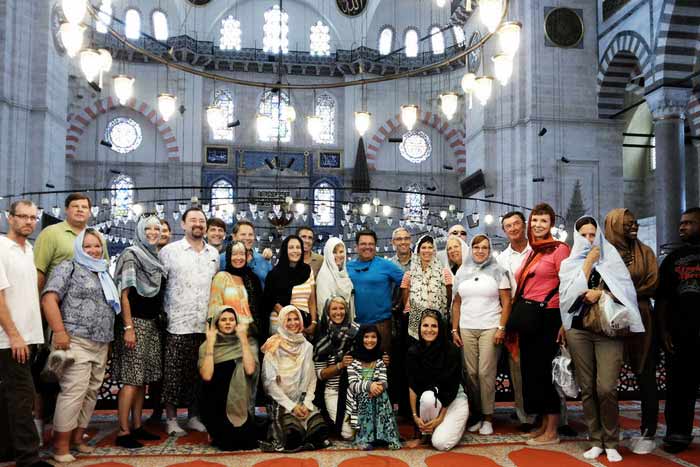
Visitors can spot several recurring features in Sinan’s work. Large central domes create open interiors, while carefully arranged arches and supports distribute the building’s weight. Windows bring daylight into the prayer hall, and courtyards create a transition between the city and the interior.
Sinan also designed külliyes, or building complexes, that included facilities such as schools, kitchens, libraries, and hospitals. These spaces served practical needs and made important institutions part of everyday neighborhood life. Look beyond a mosque’s main dome to appreciate how the surrounding buildings fit into the larger plan.
Explore Sinan’s landmarks in Istanbul
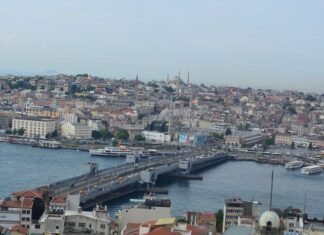
The Süleymaniye Mosque is among Sinan’s most celebrated works in Istanbul. Its position above the Golden Horn, balanced proportions, and spacious interior make it a defining feature of the city. The nearby complex shows how religious architecture could also support education and public welfare.
The Şehzade Mosque is another important example, notable for its harmonious design and place in Sinan’s development as an architect. When visiting either site, dress respectfully and check current visitor information, as access may be limited during prayer times.
To plan a guided architecture walk or ask about Istanbul cultural tours, contact our team. A guide can help you notice design details that are easy to overlook and explain how Sinan’s buildings fit into the city’s history.
Connect Ottoman architecture with earlier history
Istanbul’s architectural story spans many centuries. The city’s Byzantine Empire heritage provides an earlier chapter, with churches, walls, and engineering works that shaped the urban landscape before Ottoman rule.
Beyond Istanbul, ancient sites reveal the region’s still older past. The Hadrian Temple in Ephesus offers a striking example of Roman public architecture, while Roman Turkey introduces more destinations connected with the ancient world.
Experience Mimar Sinan’s legacy firsthand
Mimar Sinan’s buildings remain central to Istanbul’s identity. Their domes, courtyards, and community spaces reflect a blend of artistic vision and practical design. Exploring them with historical context helps visitors understand how one architect influenced the appearance and daily life of an imperial capital—and why his work continues to define Ottoman architecture today.